


LED and Solar Lighting: A Complete Guide to Lighting Your Home Inside and Out
Lighting is one of those things you don't think about until it's wrong. Bad lighting makes cooking harder, working from home a headache, and relaxing at the end of the day nearly impossible. But the right lighting? It transforms how your home looks, functions, and even how much you spend on your electric bill.
If you're still using outdated incandescent bulbs or you're not taking advantage of solar options for outdoor spaces, you're leaving money on the table and missing out on some seriously simple upgrades that make a real difference.
Let's break down where to use LED and solar lights in your home, and why these choices matter more than you think.
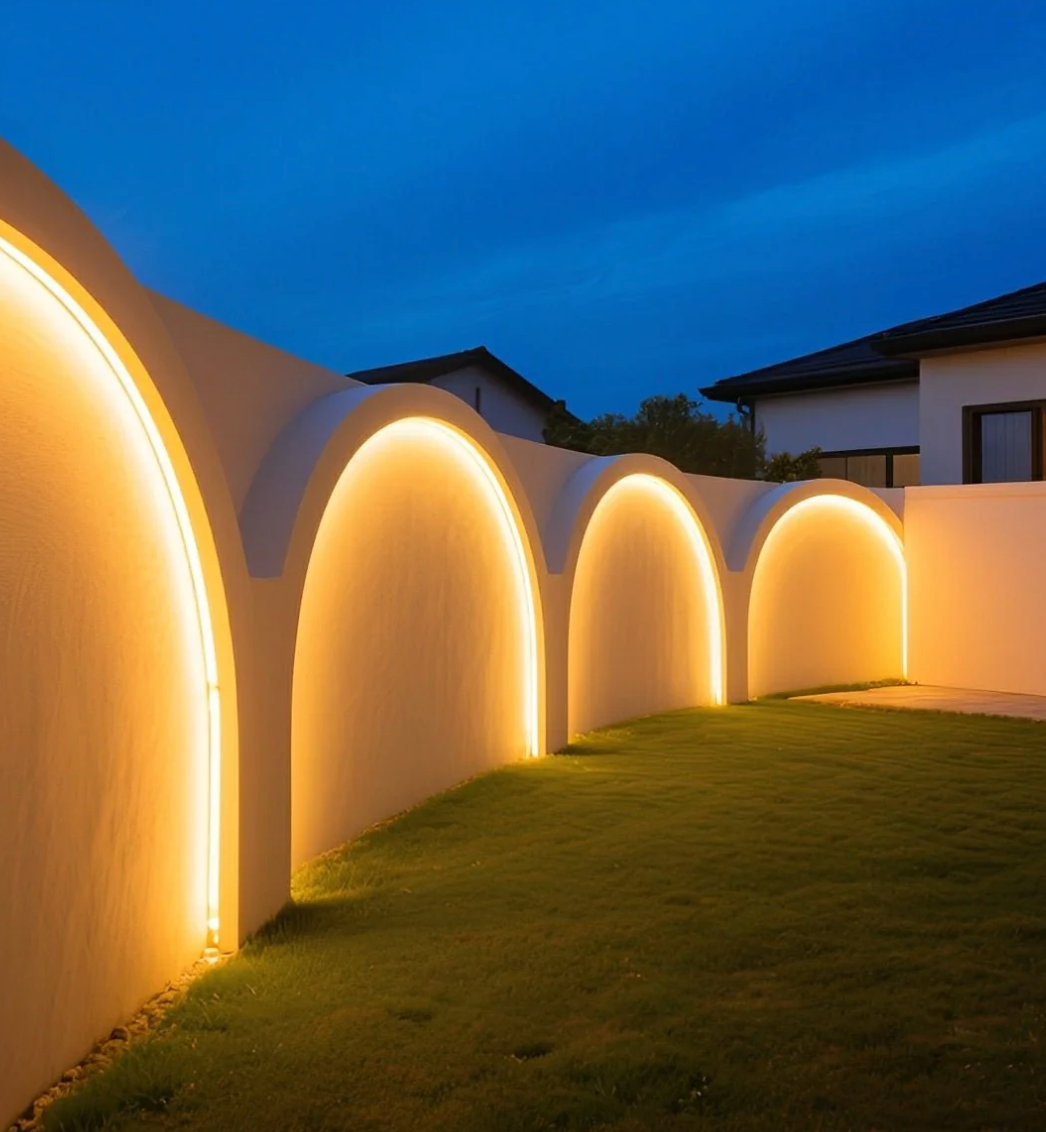
The LED Advantage: Why This Switch Actually Matters
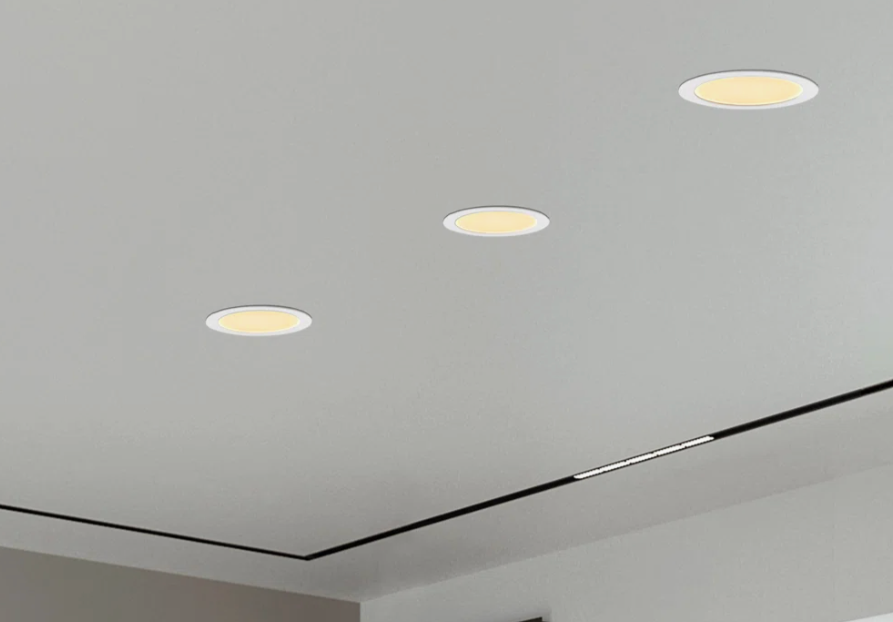
Where to Use LED Lights Inside Your Home
Kitchen
Under-cabinet LED strips are game-changers for counter work areas. You get focused task lighting exactly where you need it without shadows or harsh overhead glare. Recessed LEDs in the ceiling provide bright, even lighting without the heat buildup of old bulbs—especially important when you're already running the oven and stovetop.
Living Room
Dimmable LED bulbs in lamps and overhead fixtures let you adjust the mood from bright and functional during the day to warm and relaxed in the evening. LED strip lights behind the TV or along shelves add ambiance without the eye strain, and they create depth that makes the room feel more intentional.
Bedroom
Warm-toned LEDs (2700K-3000K) create a relaxing atmosphere that actually helps you wind down. Consider smart bulbs so you can dim from bed, or install strips under the bed frame for a subtle nightlight effect that doesn't blast you awake if you need to get up in the middle of the night.
Bathroom
Bright, daylight LEDs (4000K-5000K) around mirrors are perfect for makeup application and grooming—you need to see true colors, not the warm, flattering-but-inaccurate glow of traditional bulbs. Recessed ceiling lights handle moisture well and provide even coverage for the entire space.
Home Office
Daylight-temperature LEDs reduce eye strain during long work hours. If you're staring at a screen all day, the last thing you need is poor lighting making it worse. Desk lamps with adjustable color temperature are worth the investment—you can go cooler and brighter during work hours, then shift warmer as the day winds down.
LED and Solar Options for Outdoor Spaces
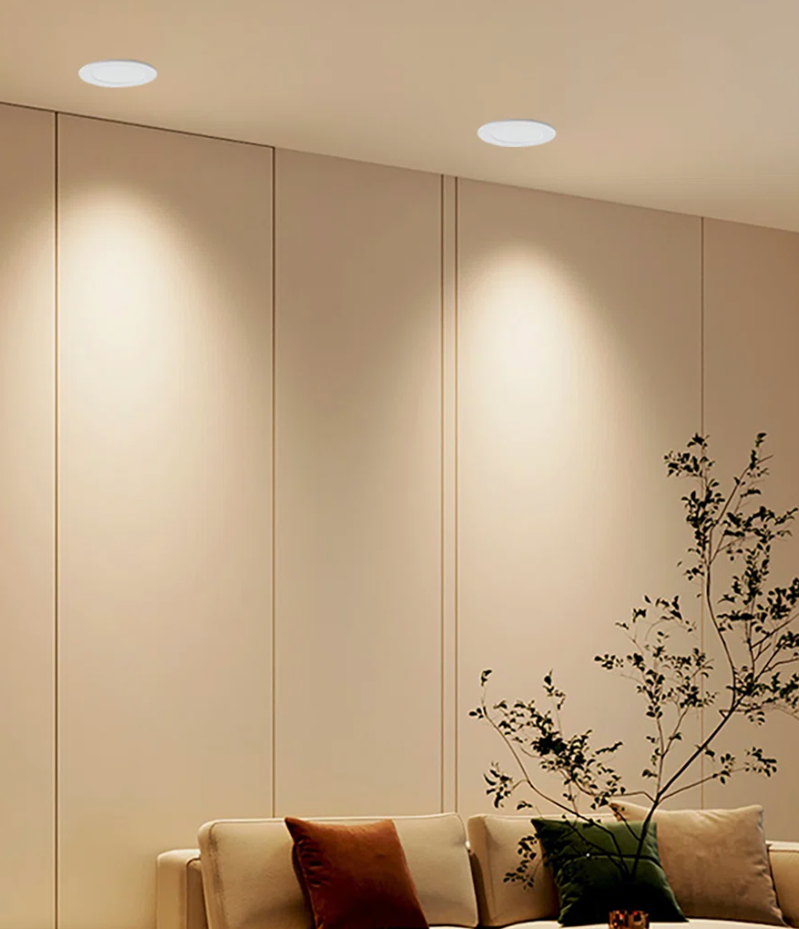
This is where the conversation gets interesting, because outdoor lighting splits into two distinct purposes: security and ambiance.
Security Lighting: LED or Solar
LED or solar flood lights and motion-sensor fixtures keep your property safe. LEDs plugged into power are brighter and more reliable for consistent security coverage, especially if you need strong illumination in areas without much natural light during the day. Solar options work well for supplemental lighting in areas where running electrical is difficult or expensive, but they won't be as bright or consistent, particularly in winter months or heavily shaded areas.
Ambiance and Pathways: Go Solar
For ambiance and pathways, solar lights are actually the smarter choice. They're easy to install anywhere without wiring hassles, and they automatically create that perfect evening glow without touching your electric bill. Solar pathway lights guide guests safely to your door without the need for trenching and running electrical lines. LED or solar string lights transform patios and outdoor living areas into usable evening spaces—solar means you can hang them anywhere without worrying about outlet access. LED strip lights under deck railings or steps add a subtle glow that's both functional and inviting.
The beauty of solar for these applications is the flexibility. You can rearrange them seasonally, add more as needed, and never call an electrician. Plus, they turn on automatically at dusk and off at dawn, so you're not managing timers or switches.